 | Prof. Simon Boulton is a Senior Group Leader at the Francis Crick Institute in London. His research focuses on DNA repair mechanisms and genome stability, particularly examining how cells respond to DNA damage and maintain telomeres. His lab has made key discoveries about DNA repair pathways and their roles in preventing cancer and aging. Simon is a founder and VP of scientific strategy at Artios Bio. He was elected a Fellow of the Royal Society in May 2022. |
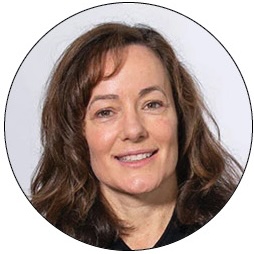 | Prof. Sharon Cantor is a Professor of Molecular, Cell and Cancer Biology at the University of Massachusetts Medical School. Her research focuses on DNA repair mechanisms, particularly BRCA1/2-mediated homologous recombination and chemotherapy resistance in cancer including (i) Defining biomarkers of “BRCAness” that signifies deficiency in the hereditary breast/ovarian cancer genes, BRCA1 or BRCA2, (ii) Targeting BRCAness as a replication gap vulnerability and (iii) Hunting down the cancer vulnerability that defines curability. |
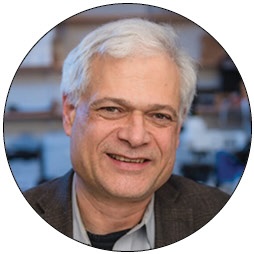 | Prof. Alan D’Andrea is the Fuller-American Cancer Society Professor of Radiation Oncology at Harvard Medical School and Director of the Susan F. Smith Center for Women’s Cancers at Dana-Farber Cancer Institute. He is internationally recognized for his research on DNA repair and Fanconi Anemia. His lab has made fundamental discoveries about how cells repair damaged DNA and how defects in this process can lead to cancer. During his early career he cloned the erythropoetin receptor the promotes the survival of red blood cells. |
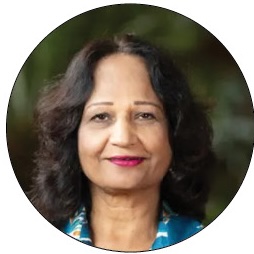 | Prof Kum Kum Khanna is a Professorial Research Fellow at Mater Research and The University of Queensland. Prof Khanna’s research focuses on mechanisms that safeguard the integrity of our DNA, emphasising DNA damage response (DDR) pathways that fix the lesions in DNA. Her work has made significant contributions to understanding DNA repair mechanisms, cell cycle checkpoints, and cancer therapy resistance. She has particularly focused on breast cancer and the development of targeted therapies based on DNA repair deficiencies. |
 | Prof. Chris Lord Deputy Head of Division, Group Leader of the CRUK Gene Function Laboratory and Professor of Cancer Genomics in the Breast Cancer Now Toby Robins Research Centre at The Institute of Cancer Research, London. Much of his work focuses on exploiting genetic concepts such as synthetic lethality in cell cycle and DNA repair, to identify new approaches to treating cancer and to understand the variable effectiveness of existing treatments. He was joint first author on a paper describing the synthetic lethal interaction between BRCA-tumour suppressor genes and PARP inhibitors (Nature 2005), observations that eventually led to the use of these drugs for the treatment of breast, ovarian, prostate and pancreatic cancers. |
Please note, ACDTM25 is now in the past. This page is kept online as a record of the meeting.
 Australian Cell Cycle, DNA repair and Telomere Meeting